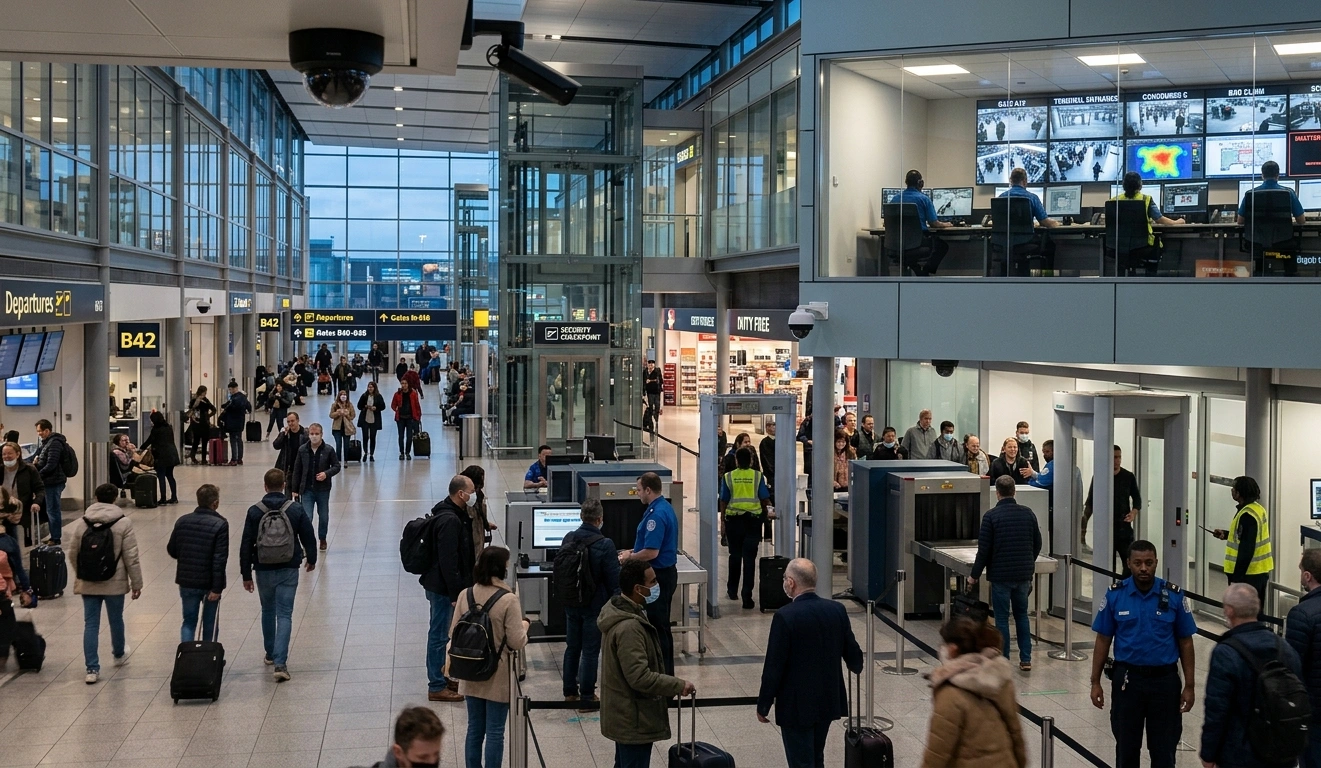
As global mobility continues to grow, ensuring passenger safety has become one of the most critical priorities for governments and transportation authorities. Airports, metro systems, railways, and bus terminals are no longer just transit points-they are complex ecosystems that handle massive volumes of people every day. In an era shaped by rising security concerns and evolving global risks, the expectations from these systems have shifted significantly. Safety is no longer limited to physical checks; it now demands continuous monitoring, rapid response, and intelligent coordination.
During periods of heightened global tension or uncertainty, these expectations become even more pronounced. Transportation hubs must operate with enhanced vigilance, ensuring that passengers can travel safely without disruption or fear.
The complexity of securing transportation networks
Modern transportation infrastructure is vast, interconnected, and constantly in motion. Airports alone manage thousands of passengers, staff, vehicles, and operations simultaneously. Similarly, rail and metro networks span across cities, connecting multiple stations and routes in real time.
This complexity introduces multiple challenges. Monitoring large crowds, detecting suspicious behavior, managing access control, and responding to incidents quickly all require systems that can operate seamlessly across different environments. Traditional security methods, which rely heavily on manual processes and isolated systems, are no longer sufficient to address these demands.
Surveillance as a foundation for passenger safety
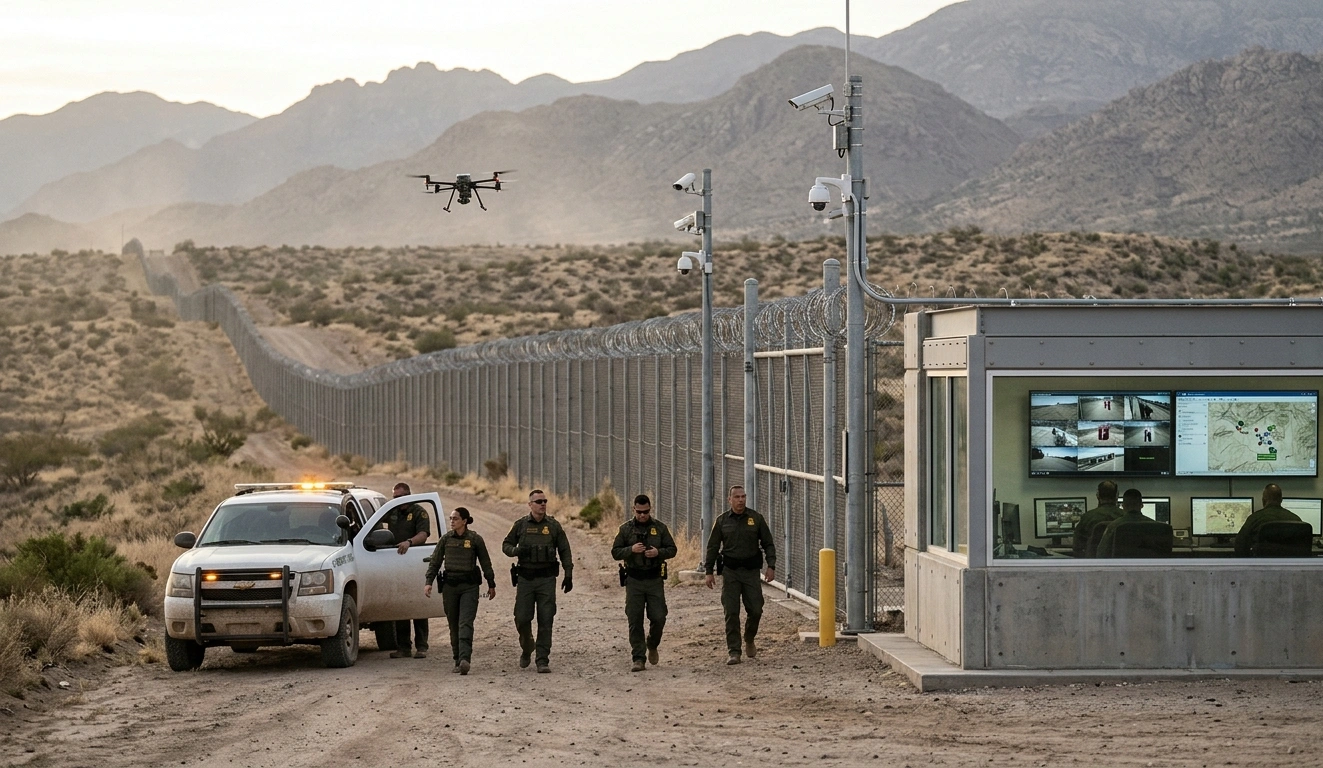
In today’s transportation ecosystem, surveillance plays a central role in ensuring safety. However, its purpose has evolved beyond simple observation. Modern surveillance systems are designed to provide real-time visibility across all operational areas, enabling authorities to monitor activities, detect anomalies, and respond proactively.
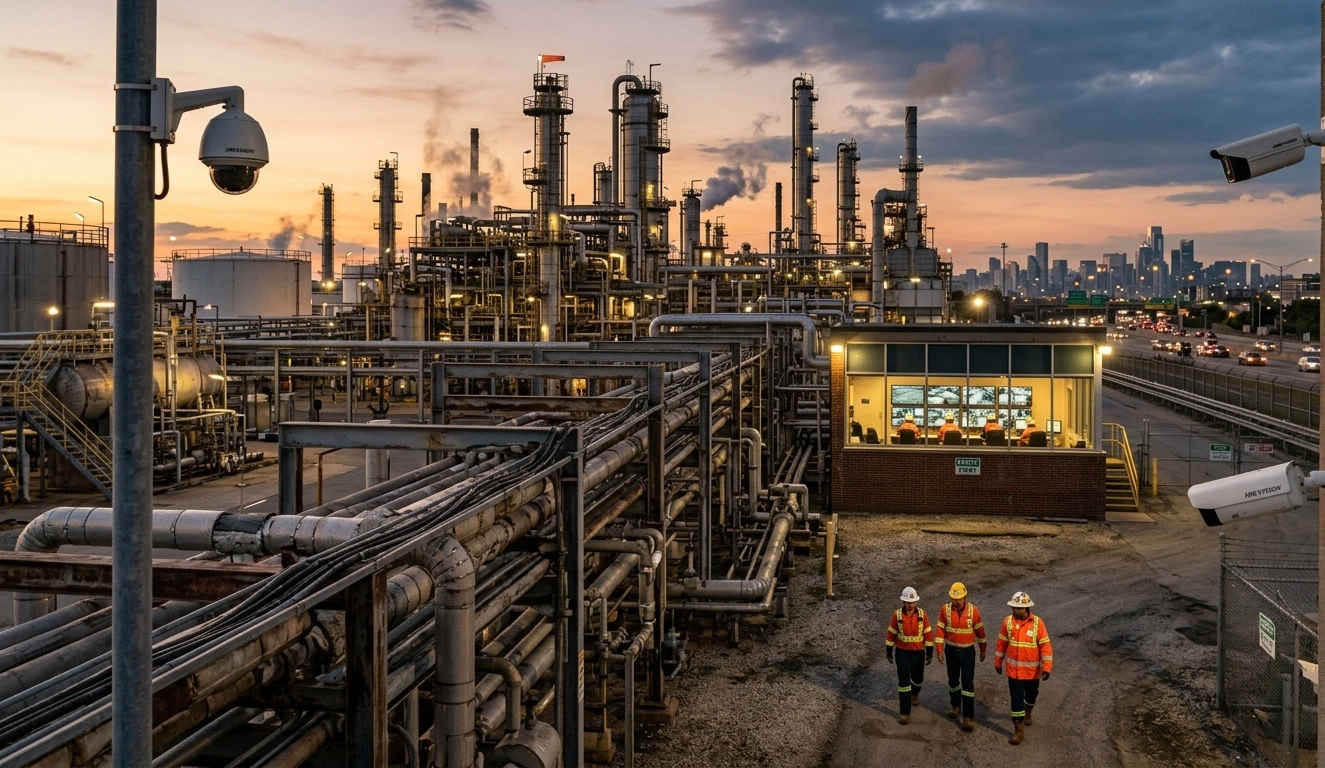
High-definition cameras, combined with centralized Video Management Systems (VMS), allow operators to oversee multiple locations from a single platform. This ensures that every corner of a facility-whether it is a boarding gate, platform, or terminal-is continuously monitored. Such visibility is essential for maintaining order and preventing potential risks.
From monitoring to intelligent detection
The real transformation in passenger safety comes from the integration of intelligence into surveillance systems. Video Analytics (VA) enables automated detection of unusual behavior, unattended objects, overcrowding, and restricted area access. Instead of relying solely on human observation, these systems generate alerts in real time, allowing security teams to act immediately.
Face Recognition Systems (FRS) further enhance security by enabling accurate identification and verification. These systems can assist in access control, identify persons of interest, and streamline passenger movement through secure checkpoints. By combining these technologies, transportation authorities can create a safer and more efficient environment for travelers.
Enhancing situational awareness through integration
One of the most critical aspects of modern passenger safety is the ability to coordinate across multiple systems and departments. Airports and transportation hubs involve various stakeholders, including security personnel, operations teams, and emergency services. Without integration, these entities often operate in silos, leading to delays and inefficiencies.
Integrated Command and Control Centers (ICCC/PSIM) address this challenge by bringing together data from surveillance, access control, traffic management, and other systems into a unified platform. This centralized approach provides a comprehensive view of ongoing operations, enabling faster decision-making and coordinated responses during incidents.
Managing crowds and ensuring smooth operations
Passenger safety is not only about preventing threats but also about managing everyday operations efficiently. Crowd management is a critical component, especially during peak travel periods or large events. Overcrowding can lead to safety risks, delays, and operational disruptions.
Intelligent surveillance systems help monitor crowd density, identify congestion points, and provide actionable insights for better flow management. These capabilities allow authorities to take preventive measures, ensuring that passenger movement remains smooth and safe.
Supporting rapid response in critical situations
In high-pressure scenarios, response time is a decisive factor. Whether it is a security threat, medical emergency, or operational disruption, the ability to act quickly can significantly impact outcomes. Real-time alerts, combined with centralized monitoring, enable security teams to respond without delay.
Integrated systems ensure that information is shared instantly across departments, allowing coordinated action. This level of responsiveness not only enhances safety but also builds trust among passengers, reinforcing confidence in the transportation system.
Building future-ready transportation security
As transportation networks continue to expand, the need for scalable and adaptable security solutions becomes increasingly important. Systems must be capable of handling growing data volumes, integrating new technologies, and operating across diverse environments without compromising performance.
End-to-end platforms that combine VMS, Video Analytics, FRS, and ICCC capabilities provide the flexibility required to meet these evolving demands. By adopting such integrated ecosystems, transportation authorities can ensure that their infrastructure remains secure, efficient, and future-ready.
The path Forward
Passenger safety in aviation and transportation is no longer just a regulatory requirement-it is a strategic priority. In a world where uncertainties can arise at any moment, having intelligent surveillance systems in place is essential for maintaining order and ensuring the well-being of travelers.
As the industry moves forward, the focus will continue to shift toward proactive security, real-time intelligence, and seamless integration. By embracing these advancements, transportation systems can create safer, smarter, and more resilient environments for passengers worldwide.
Product marketing manager






 Legal disclaimer:
Performance metrics, deployment figures, analytics outputs, and results displayed on this website are based on specific implementation scenarios, controlled environments, or selected use cases. Actual performance may vary depending on hardware specifications, camera quality, network conditions, system configuration, site environment, lighting conditions, operational workflows, and other external factors.
All images, videos, illustrations, dashboards, maps, and demonstrations shown on this website are for representational, illustrative, and informational purposes only. They are intended to showcase product capabilities and possible deployment scenarios. Unless explicitly stated, no visual content should be interpreted as depicting an actual customer site, live project, installation, location, organization, or real-world event. Any names, layouts, footage, environments, or scenarios presented may be simulated, sample-based, licensed, generic, or recreated for demonstration purposes. Similarity to any actual site, entity, or project is purely coincidental. i2V systems accepts no responsibility and shall not be held liable for any errors, omissions, misuse, assumptions, or misinterpretation of product outputs, website content, visuals, or performance claims.
Legal disclaimer:
Performance metrics, deployment figures, analytics outputs, and results displayed on this website are based on specific implementation scenarios, controlled environments, or selected use cases. Actual performance may vary depending on hardware specifications, camera quality, network conditions, system configuration, site environment, lighting conditions, operational workflows, and other external factors.
All images, videos, illustrations, dashboards, maps, and demonstrations shown on this website are for representational, illustrative, and informational purposes only. They are intended to showcase product capabilities and possible deployment scenarios. Unless explicitly stated, no visual content should be interpreted as depicting an actual customer site, live project, installation, location, organization, or real-world event. Any names, layouts, footage, environments, or scenarios presented may be simulated, sample-based, licensed, generic, or recreated for demonstration purposes. Similarity to any actual site, entity, or project is purely coincidental. i2V systems accepts no responsibility and shall not be held liable for any errors, omissions, misuse, assumptions, or misinterpretation of product outputs, website content, visuals, or performance claims.